Vermicompost: What is it?
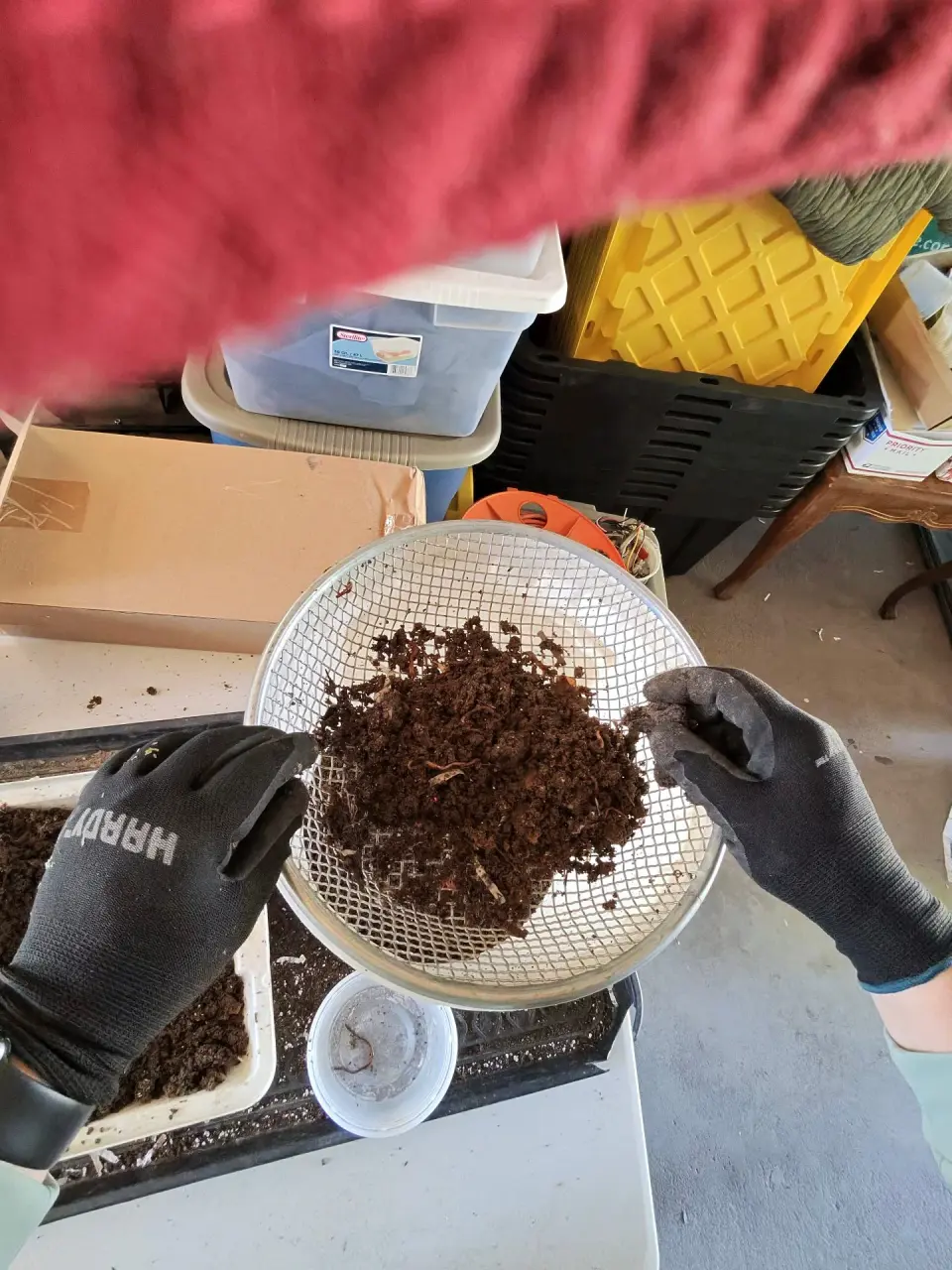
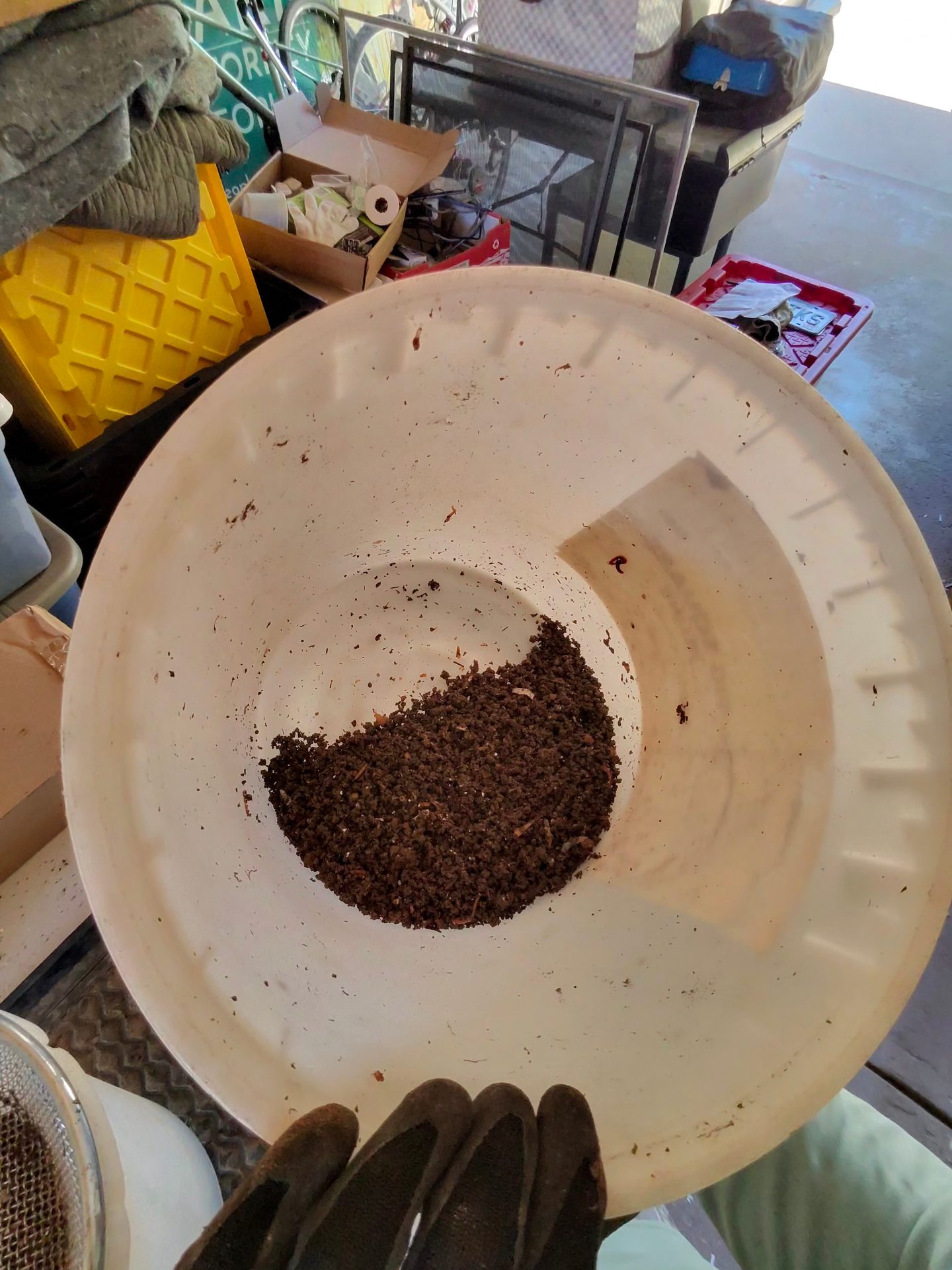
Worm poop doesn't sound as scientific as “vermicompost,” but that's what it is.


If you're ever asked for an official definition of vermicompost, this one from USDA Agricultural Marketing Service Publication 5021: Compost and Vermicompost in Organic Crop Production, is succinct and technically correct:
“Vermicomposts are organic matter of plant and/or animal origin, consisting mainly of finely-divided earthworm castings, produced non-thermophilically with bio-oxidation and stabilization of the organic material, due to interactions between aerobic microorganisms and earthworms, as the material passes through the earthworm gut.”
And for those of you who produce farm products you would like to label “Organic,” there are no restrictions on using vermicompost, as long as there are no prohibited materials used as feedstock for the worms.
Compost and vermicompost made without animal materials as feedstock are not restricted in use, in accordance with the provision for uncomposted plant materials at § 205.203(c)(3), provided all feedstocks are allowed materials (either nonsynthetic substances not prohibited at § 205.602, or synthetics approved for use as plant or soil amendments).
Our continuous flow reactor systems use only vegetable scraps and other organic inputs to process our vermicompost, which is then finely sifted to be more easily absorbed by plant roots or microbes in the preparation of compost tea.