Mass Earthworm Culture
With worms processing waste into valuable fertilizer as well as animal biomass, why aren't we producing more?

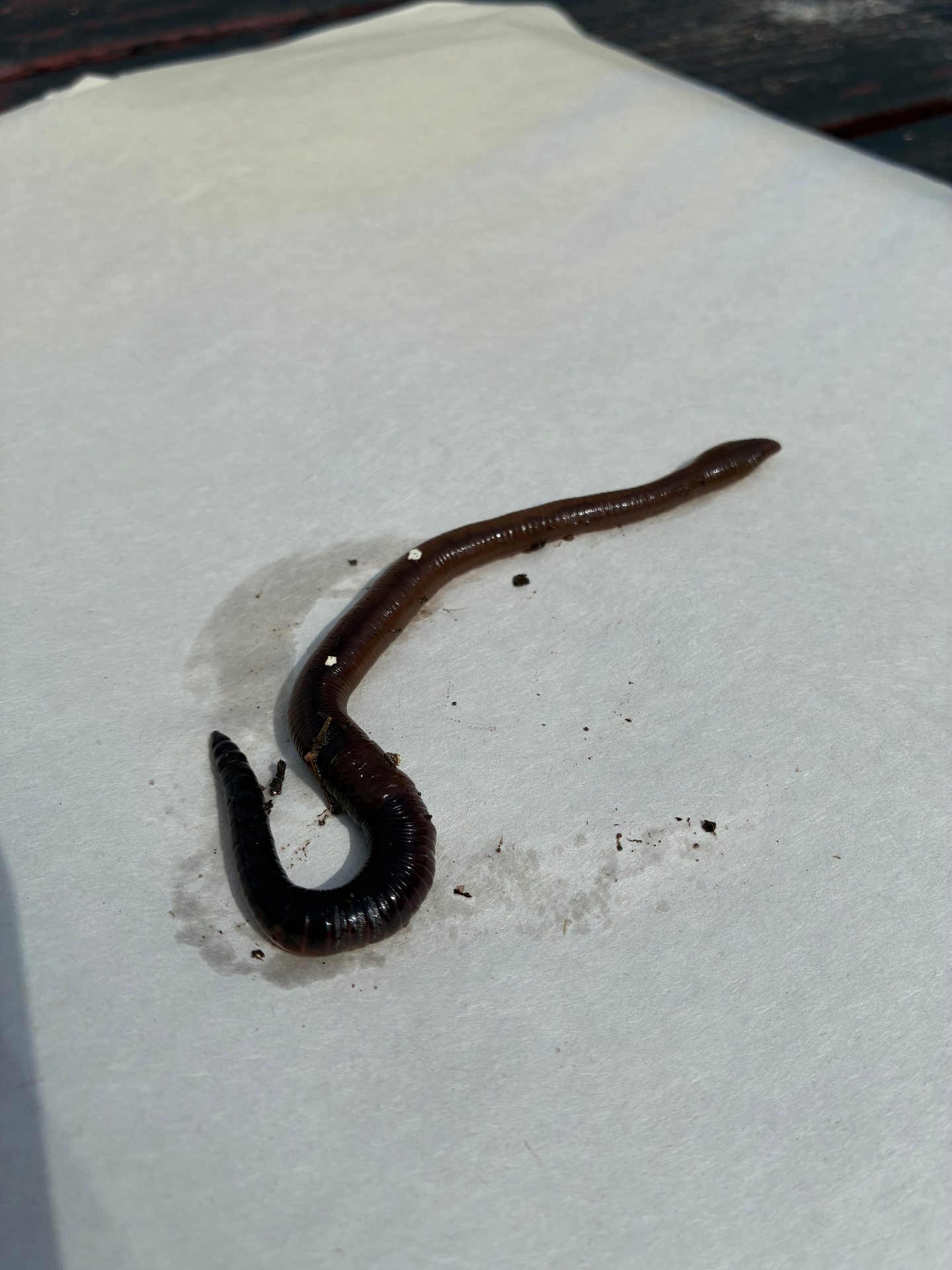
Earthworms compose much of the terrestrial biomass in tropical and temperate climates, processing organic materials into a balanced and bioactive compost through their lifecycle.Dr. V. Mohan Raj, Assistant Professor of Zoology at Sir Theagaraya College, recently published “The role of earthworm cultivation in sustaining modern agricultural productivity,” examining the expanded need for annelid production to keep our planet growing food and not drowning in waste.
In the modern era, two of the most critical hurdles are the rising volume of solid waste and the urgent need to transition toward bio-based fertilizers. Vermicomposting serves as a dual-action remedy. By utilizing aerobic and anaerobic microbes, earthworms process organic waste—typically within a cow-dung substrate and convert it into a nutrient-rich, value-added output: vermicompost. As waste management challenges mount, implementing such innovative, nature-based technologies is essential to mitigating environmental degradation. Ultimately, vermiremediation represents a highly sustainable and cost-effective strategy to minimize landfill reliance and safeguard the long-term health of our planet.