Should you put worms in your plant pots? It depends.
What would happen if you introduced live worms into the soil of growing plants? Researchers in India found out in two agricultural plant species.

Vermicompost and other byproducts of composting worms have been shown to improve germination rates and yield for plants when added into soil as an amendment. But what would happen if worms themselves were added to the soil of plants?
When dividing a mint plant a few months ago, I added some composting worms to some potting soil to evaluate the results and had been pretty disappointed that, while it was cool to see the worms through the glass in the jar, the mint was struggling to grow or thrive.

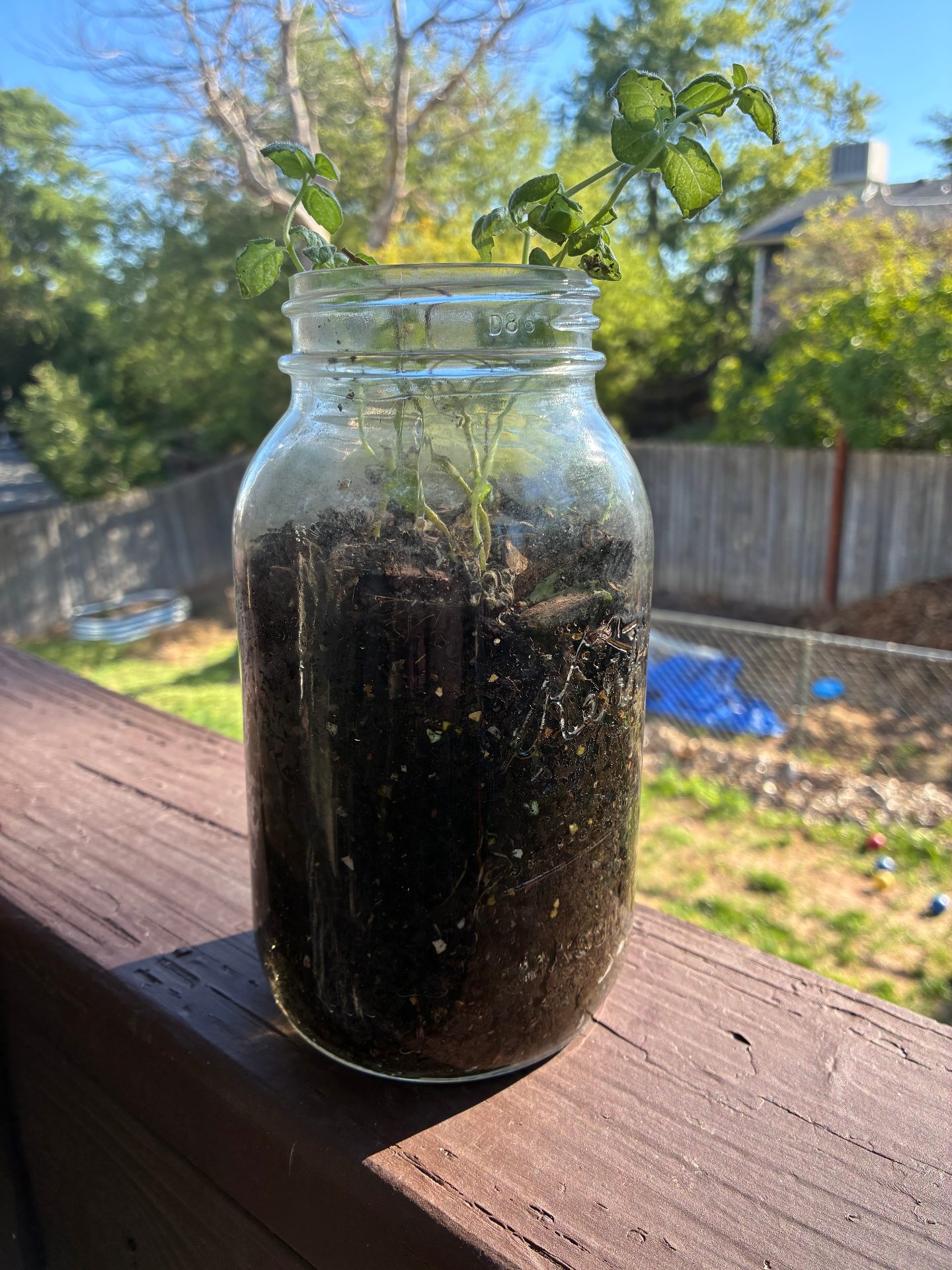
If I had done some more research first, I could have avoided stunting this little mint plant, because it turns out that adding red wiggler worms to plant pots reduces their growth when compared to control soil.
Researchers in India studied the effects of two different species of composting earthworm, Perionyx excavatus and Eisenia fetida, introduced into the soil of Capsicum chinense and Zea mays, and compared results with the control soil absent any worms.
P. excavatus and E. fetida are the most promising earthworm species used for vermitechnology. Being epigeic, these macroinvertebrates dwell in the organic carbon-rich soil and play a vital role in nutrient turnover, heavy metal detoxification, waste biomass degradation and recycling of coal ash19,20,21. Also, apart from a few studies supporting the usage of P. excavatus and E. fetida in vermicomposting22,23, information on plant growth, productivity, and soil macronutrient enhancement is lacking. Therefore to abide by the initiatives to implement the practice of organic farming and sustainability, exploitation of these potential macroinvertebrates (E. fetida and P. excavatus) is vital.
For those of you not into scientific names, they put two different species of composting worms from different continents in plant pots with chili pepper and corn plants to see how they would react as compared to soil without any worms. While both species of worms improved soil fertility, as would be expected, Perionyx excavatus resulted in bigger chili pepper plants, while Eisenia fetida resulted in reduced root mass and smaller chili pepper plants.

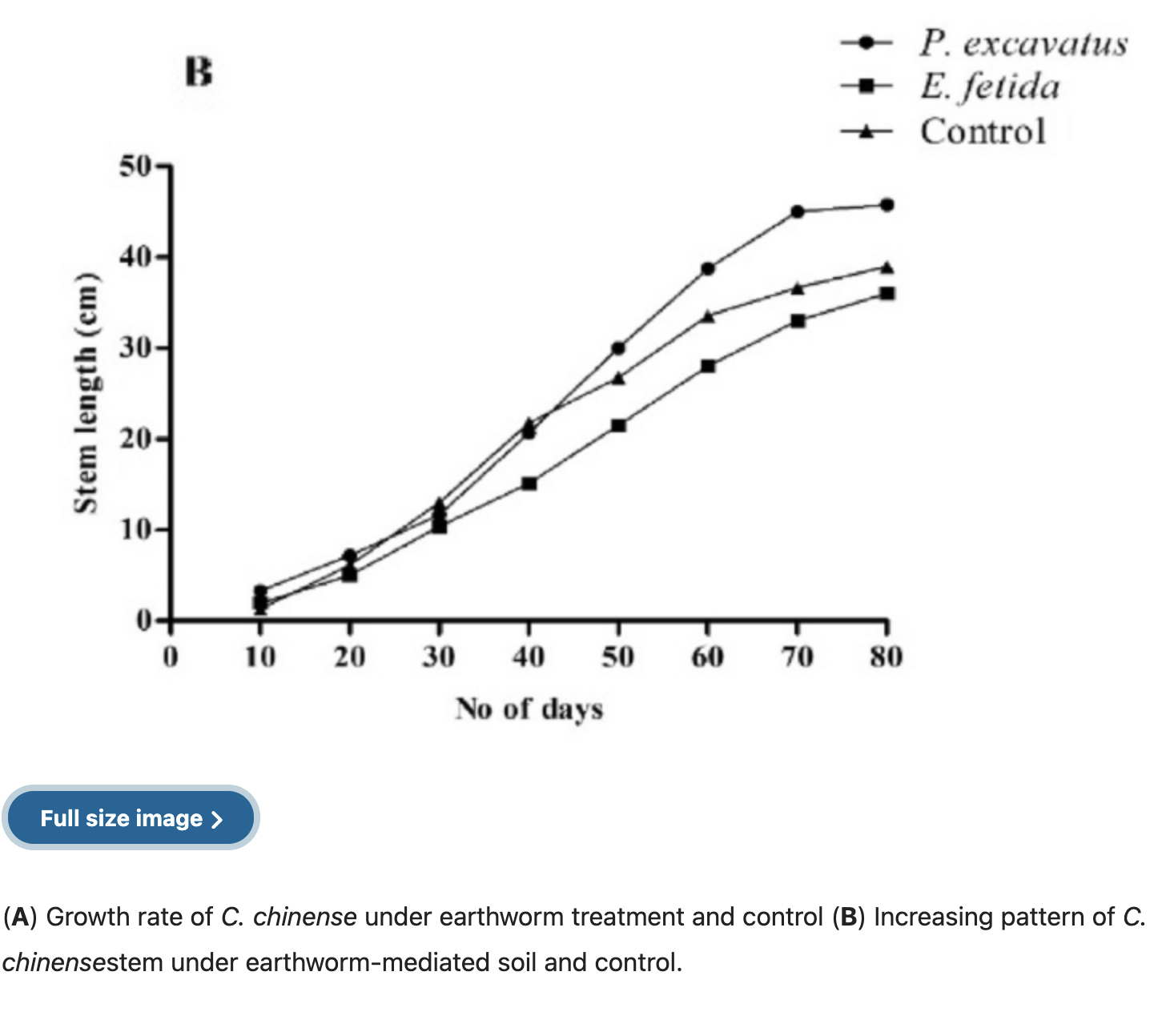
For the corn, there was far less variation between the different species of earthworms.
The upshot is that if you're going to try growing peppers in pots with worms added to the soil, you're better off using Indian blue worms instead of red wigglers to maximize your yields.
I've never tried to keep Indian blues in a temperate climate like Colorado, have you?
Full study:
Jing, L., Kakati, L.N., Ao, B. et al. Augmentation of plant biomass productivity using epigeic earthworm Perionyx excavatus and Eisenia fetida as soil nutrient facilitators. Sci Rep 13, 18648 (2023). https://doi.org/10.1038/s41598-023-45288-9